








Responsible Supply Chain Management
Circulate Capital implements a Responsible Supply Chain Management Framework at both the fund and portfolio levels to strengthen supply chain risk management practices across recycling value chains.


2025 PROGRESS REPORT
CUMULATIVE IMPACT 2021–2025
Cumulative Total
950,000+ tonnes

Equivalent to removing 31 billion beverage bottles from the waste pile.
Cumulative Total
1.9 million tonnes CO2e
Equivalent to planting 31 million trees for 10 years.
Milestone reached
1,000,000
tonnes per annum
Total Capacity as of December 2025
1,000,000 tonnes

Equivalent to recycling 60,000 plastic bottles every minute for one year.
CEO PERSPECTIVE
In a volatile century, linear supply chains are a liability. Circularity is a structural hedge against the volatility tax of global trade.
We have moved from “Can this work?” to “How fast can we scale it?”
Over the past five years, we’ve seen a meaningful shift in how governments, companies, and investors think about circularity.
When we launched Circulate Capital, the conversation was largely centered around plastic pollution and whether recycling systems in high-growth markets could scale commercially. Today, the conversation is much more sophisticated. Circularity is increasingly being viewed through the lens of supply chain resilience, resource security, and long-term competitiveness.
That shift accelerated in 2025.
Global supply chains are operating in a much more volatile environment than they were even a few years ago. Commodity price swings, geopolitical tensions, trade disruptions, and climate-related shocks are all putting pressure on industries that rely heavily on virgin materials and long, linear supply chains.
Companies are responding by looking more closely at where materials come from and how to secure more stable, localized sources of supply.
That is where circular systems become increasingly important.
At Circulate Capital, our focus has always been practical: building the businesses and supply chains needed to recover and recirculate materials at scale. Over time, we’ve seen these systems evolve from fragmented and informal networks into increasingly sophisticated industrial platforms.
The progress across our portfolio reflects that evolution.
Since 2021, Circulate Capital-backed companies have helped prevent more than 950,000 tonnes of plastic pollution, avoid 1.9 million tonnes of greenhouse gas emissions, and build over one million tonnes per year of recycling capacity across high-growth markets. In 2025 alone, our portfolio circulated more than 335,000 tonnes of plastic.
More importantly, we are seeing stronger commercial fundamentals across the sector.
Many of the companies we invested in several years ago are scaling rapidly, improving operational performance, expanding production capacity, and integrating more deeply into global supply chains. Demand for recycled materials continues to accelerate as global brands are looking to secure a supply of high-quality recycled feedstock and reduce exposure to virgin-material volatility.
What has become increasingly clear is that impact and financial performance are intertwined. They actually reinforce each other. The more efficiently a company can collect, process, and sell recycled material, the stronger the business becomes and the greater the environmental impact it creates.
We are also seeing growing validation from investors and capital markets.
We recently completed a full exit of Recykal and partial exits of Lucro and Srichakra, demonstrating continued liquidity in the sector. At the same time, the first close of Asia Fund II in March 2026 at over US$220 million reflects growing investor confidence in circular supply chains as an investable asset class.
None of this progress happens independently. Accelerating circularity requires coordination across entrepreneurs, manufacturers, recyclers, waste workers, policymakers, and investors. One of the most encouraging developments over the past five years has been seeing how quickly these ecosystems can mature when long-term capital and strategic partnerships are aligned.
Looking ahead, we believe the opportunity extends beyond plastics into broader material systems, including paper packaging, textiles, e-waste, and metals recovery.
The transition to a circular economy will take time, but the direction is clear. In a more volatile world, resilient supply chains matter more than ever. Circularity is becoming a strategic component of how those systems are built.
Map key
Recycling supply chains
Disrupt
Region
Portfolio companies 0
Click to view companies
Click a country on the map for more information on our portfolio companies in that country.
Assets Under Management
Portfolio companies invested since 2020
7 new investments in 2025
Invested since 2020
$21M invested in 2025
Co-investment
For every $1 invested, $3 is co-invested by others
Portfolio companies and partners in Australia.
Portfolio companies and partners in Brazil.
Portfolio companies and partners in Colombia.
Companies with a coloured outline are new in 2025
Portfolio companies and partners in Germany.
Companies with a coloured outline are new in 2025
Largest portfolio concentration across recycling and waste management.
Island markets with strong collection and processing partners.
Companies with a coloured outline are new in 2025
Portfolio companies and partners in Malaysia and Singapore.
Companies with a coloured outline are new in 2025
Portfolio companies and partners in Mexico.
Companies with a coloured outline are new in 2025
Regional hub for packaging and recycled resin solutions.
Portfolio companies and partners in the United Kingdom.
Companies with a coloured outline are new in 2025
Portfolio companies and partners in the United States.
Circulate Capital was initially founded with the support of leading global corporate partners, reflecting an early commitment from industry to prevent plastic pollution by accelerating the development of circular supply chains in high-growth markets.
In 2021, the firm expanded its investor base to include leading development finance institutions (DFIs) and family-office LPs.

This momentum accelerated in March 2026 with the first close of Asia Fund II, which raised US$220 million (over 70% of the target US$300 million) and brought together a diverse group of returning and new investors.
Alongside existing partners, Fund II welcomed new institutional investors, high-profile family offices and impact investors.
Circulate Capital invests in business models that deliver financial returns because they are creating impact. For example, the more waste a recycler processes and sells as recycled content, the more money the company makes, and the more waste is collected for recycling rather than leaking into the environment.
900,000 tonnes tCO2e
GHG emissions avoided in 2025
335,000 tonnes
Plastics circulated or reduced in 2025
250,000 tonnes
Recycled plastics sold in 2025
We deliver value by professionalizing the supply chain and empowering the people at its core.
7,000
workers with improved livelihoods since 2021
Circulate Capital implements a Responsible Supply Chain Management Framework at both the fund and portfolio levels to strengthen supply chain risk management practices across recycling value chains.
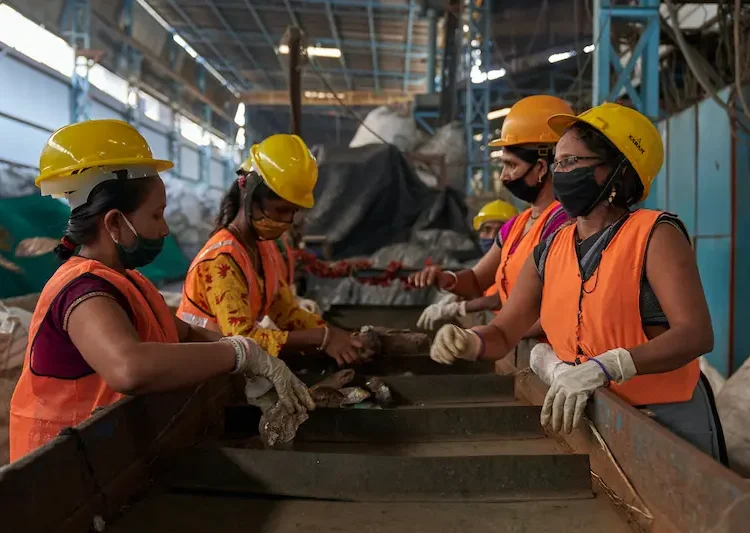
Circulate Capital has integrated a Gender-Smart Investing (GSI) Framework across its funds and portfolio companies, focusing on addressing barriers to women’s quality employment across recruitment, retention, and career progression within the recycling and waste management value chain.
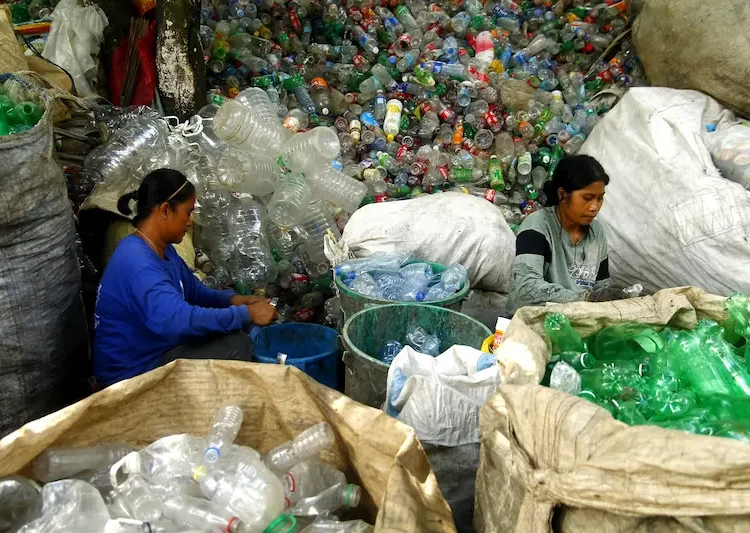
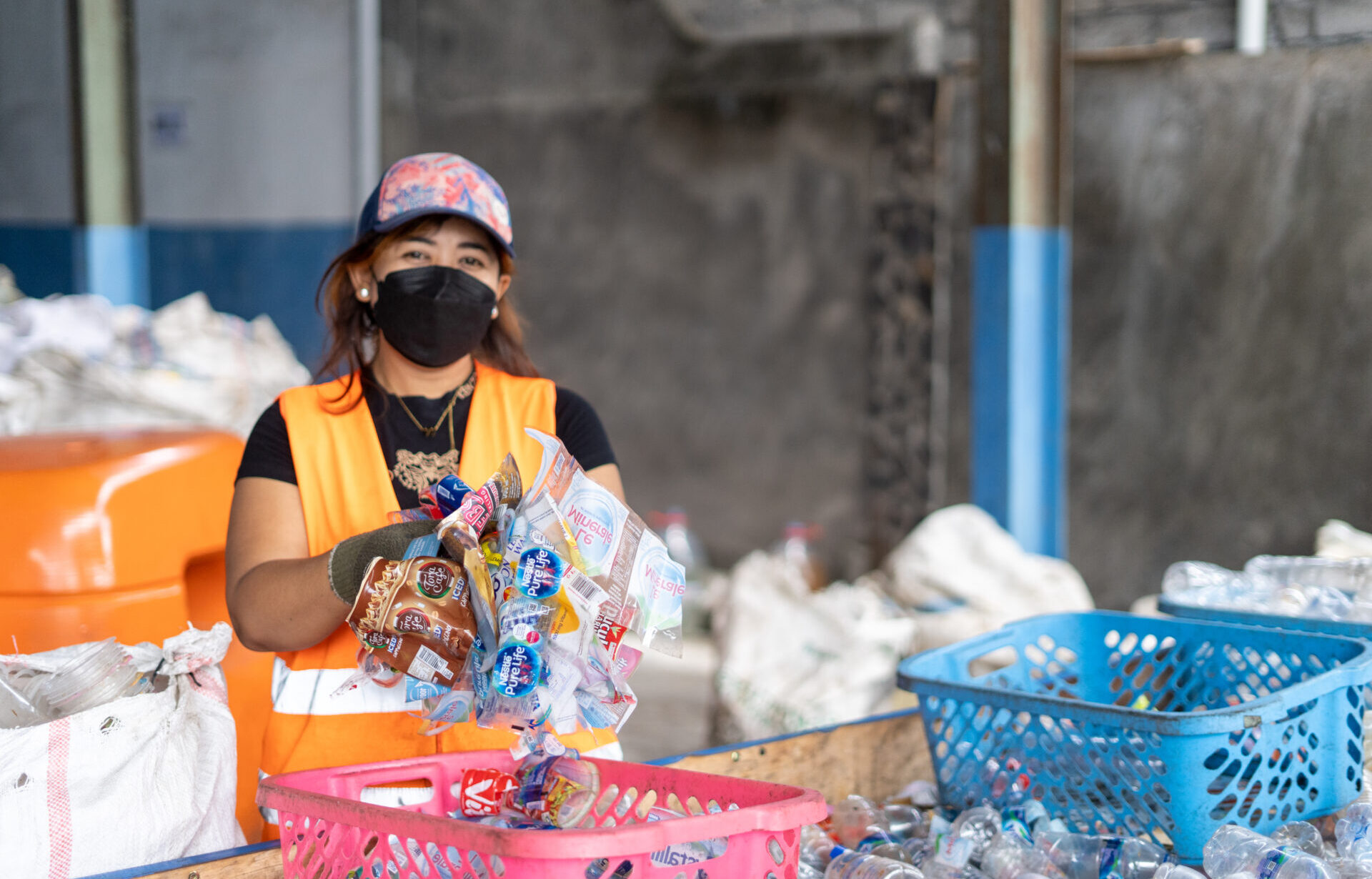
Circulate Capital helps build capacity of portfolio companies by offering livelihood-focused assessments, training and technical assistance resources to enhance worker and supplier practices, including responsible sourcing, supplier engagement, and operational improvements.
The definitive proof of a maturing asset class is liquidity. In 2025, Circulate Capital demonstrated that circular infrastructure is both investable and liquid, by completing a full exit of Recykal and partial exits of Lucro Plastecycle and Srichakra Polyplast.
1 full exit, 2 partial exits
Full exit of Recykal and partial exits of Lucro and Srichakra
2.6x
realized MOIC on growth equity exits to date
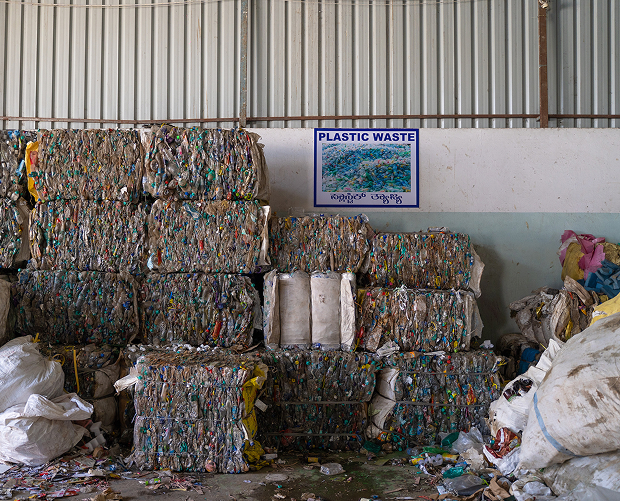
Our hands-on approach builds stronger, more resilient businesses, accelerating impact and value creation. Through this toolkit, we partner closely with our companies to institutionalize strong governance, streamline operations for commercial efficiency, and unlock strategic partnerships with our corporate and DFI partners.
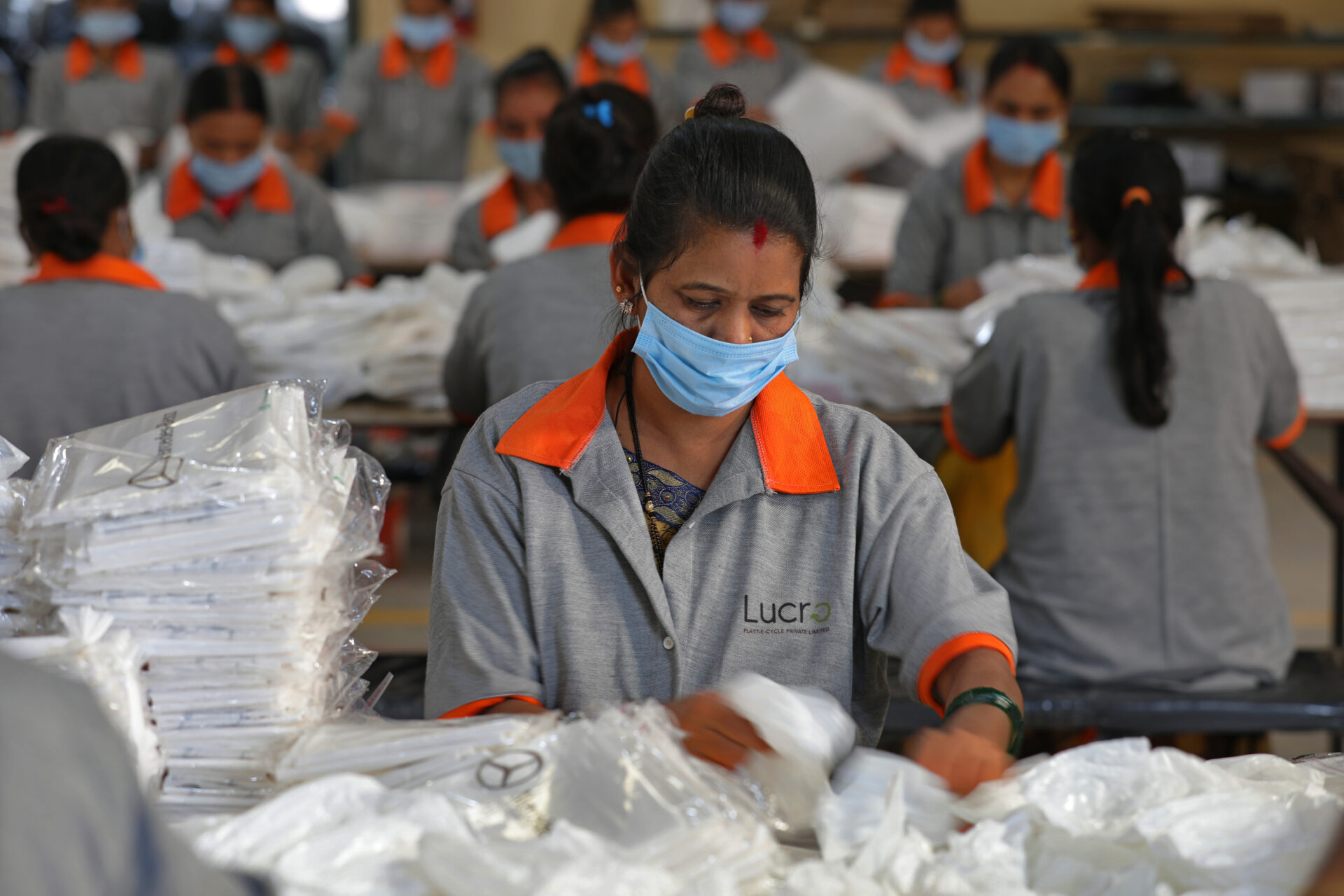
VALUE CREATION TOOL 1
Help founders strengthen leadership and teams
Facilitate peer learning and targeted training
Embed strong governance and systems
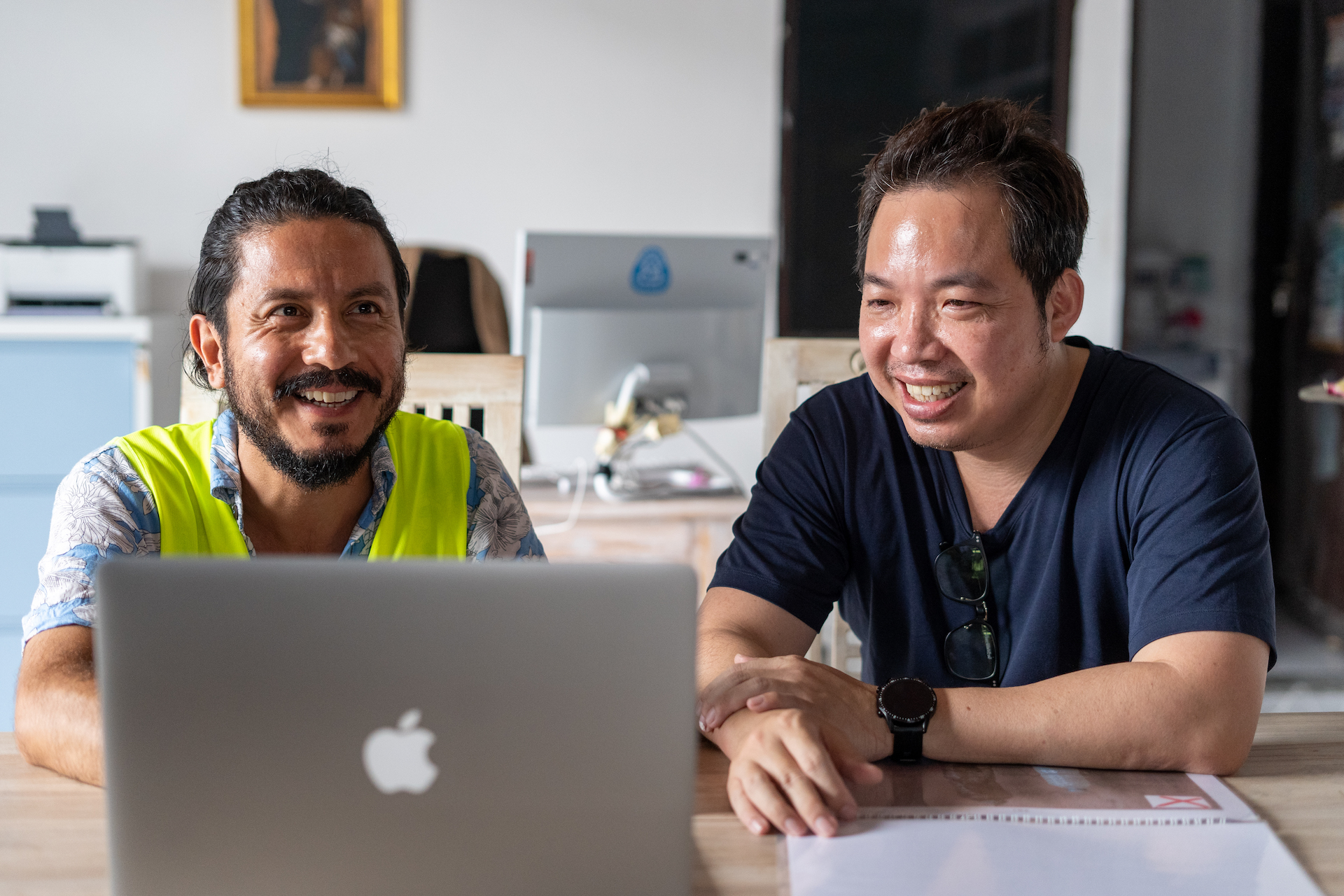
VALUE CREATION TOOL 2
Streamline operations and introduce cost controls
Adapt and diversify commercial approaches
Strengthen compliance and certifications
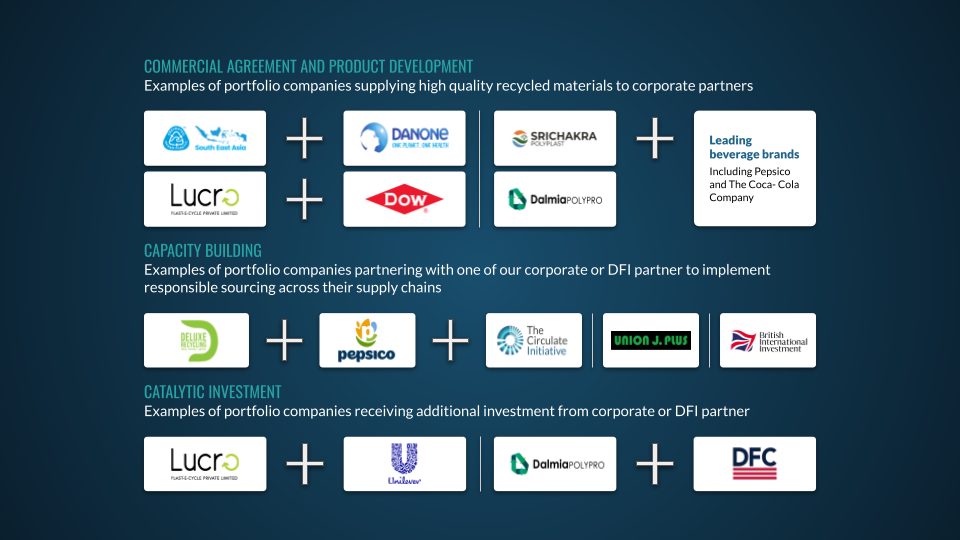
VALUE CREATION TOOL 3
Commercial agreements and product development
Capacity building, for example, on responsible supply chain program implementation
Catalytic investment
Portfolio snapshot
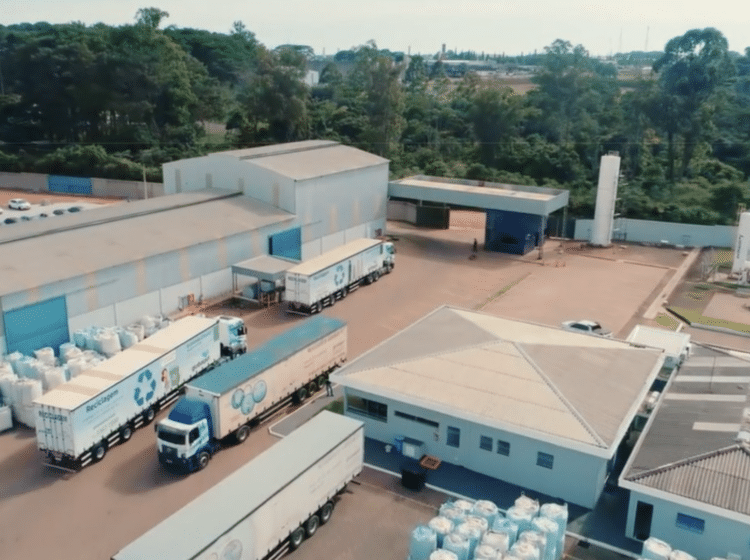
Cirklo is one of the largest PET recyclers platforms in Latin America, with facilities in Northeast and Southeast of Brazil.
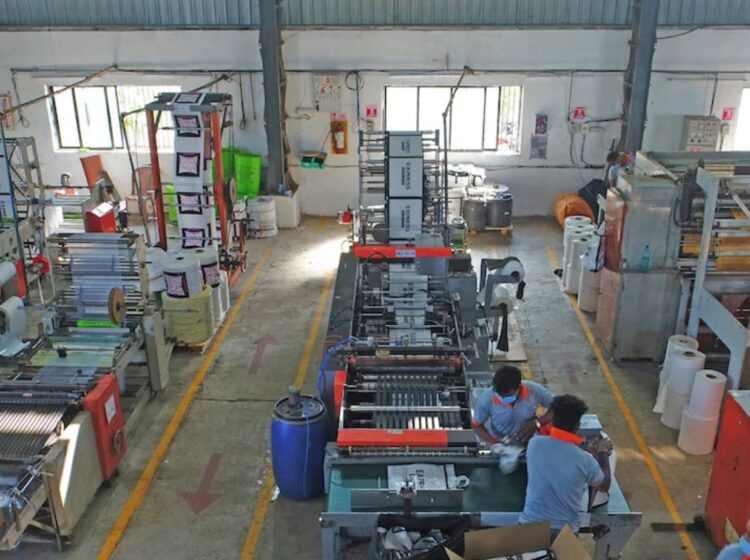
Lucro Plastecycle Private Limited (Lucro) is a homegrown Indian manufacturer that specializes in recycling difficult-to-manage flexible plastic packaging.
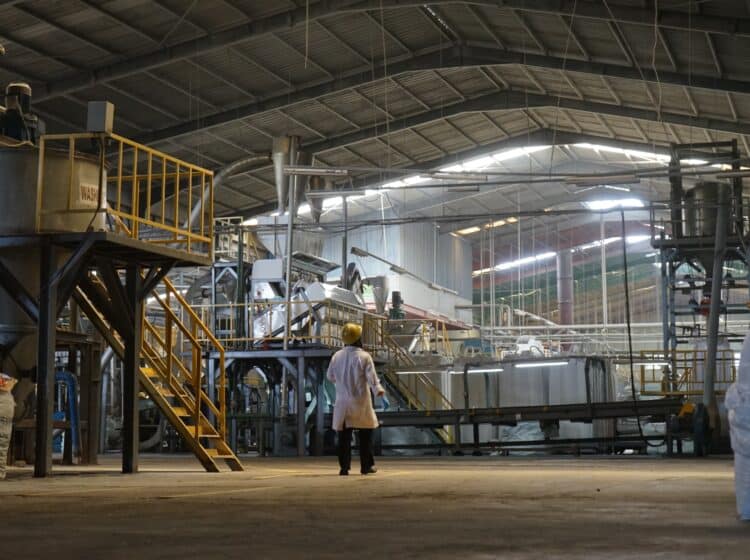
Polindo Utama is one of Indonesia’s leading PET plastic recyclers, with more than 20 years of experience and fully integrated operations spanning collection, washing,…
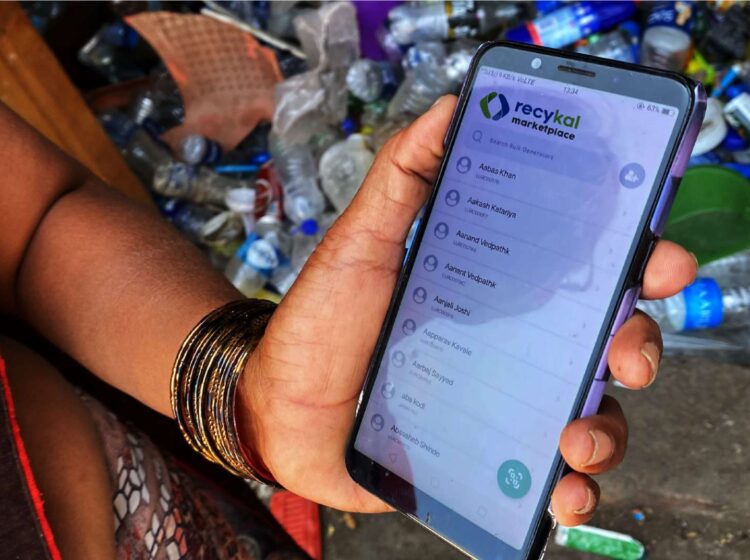
Rapidue Technologies (Recykal), India’s first waste-commerce (w-commerce) company, provides end-to-end digital solutions that connect waste generators, processors, recyclers and brand owners as well as…
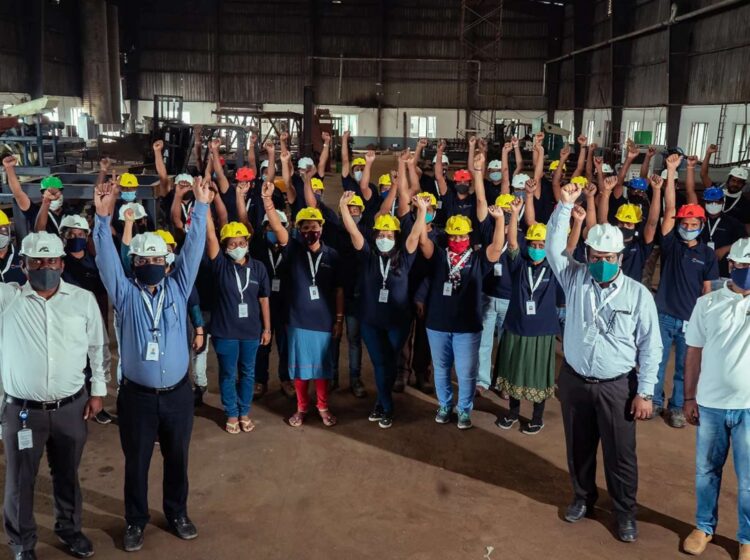
Srichakra Polyplast (India) Pvt Ltd (Srichakra) is a leading technology-driven plastic recycling company and India’s first bottle-to-bottle grade recycler of PET and PE/PP.
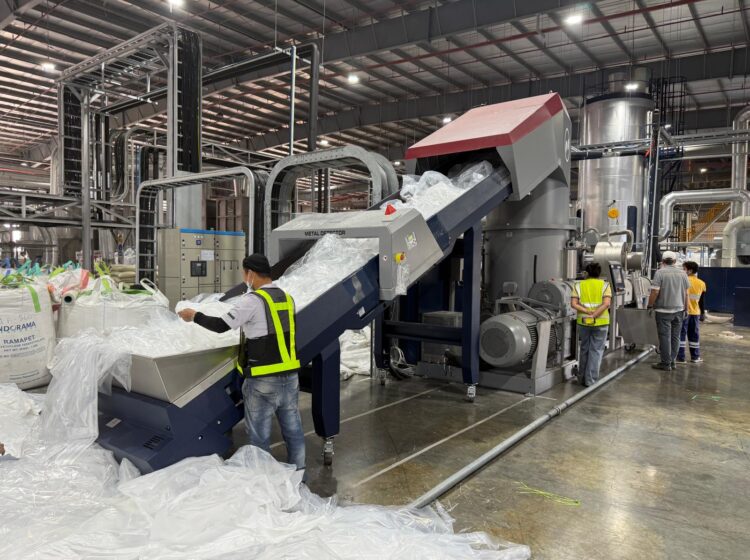
Women-owned and led Union J. Plus is a leading Thai polyolefins recycler.
Impact integrity
Circulate Capital’s impact management practices have received external recognition, including most recently a Platinum rating – the highest possible – from BlueMark’s Fund ID impact assessment, reflecting the rigor of the firm’s approach to impact measurement and management.
Bluemark’s Fund ID assessed the extent to which the Fund’s impact strategy, governance, management and reporting practices are aligned with impact and ESG industry standards and best practices
For more details on our impact framework and measurement, please refer to our Frameworks & Disclosures and, in particular, our Impact Management System.
CAGR refers to the compounded annual growth rate of total revenue across all portfolio companies from FY21 to annualised FY25, excluding portfolio companies held for less than 12 months.
Notes on equivalencies:
950,000 Tonnes of plastics circulated or reduced is equivalent to removing 31 billion beverage bottles from the waste pile every day. Method of calculation: [Tonnes of plastic circulated or reduced] / Weight of an average beverage bottle for non-carbonated water (0.03kg). Source for weight of average beverage bottle: Becerril-Arreola and Bucklin (2021) Beverage bottle capacity, packaging efficiency, and the potential for plastic waste reduction.
1.9 million tCO2e of GHG emissions avoided is equivalent to planting 31 million trees for 10 years based on the United States Environmental Protection Agency (US EPA) Greenhouse Gas Equivalencies Calculator.
60,000 plastic bottles every minute for one year. Method of calculation: 1,000,000 Tonnes Per Annum of Capacity / Weight of an average beverage bottle (0.03kg) = 33 billion bottles per year; 33 billion bottles / 525,600 minutes in a year = ~60,000 bottles per minute